
 Call:
Call:  Mail:
Mail: 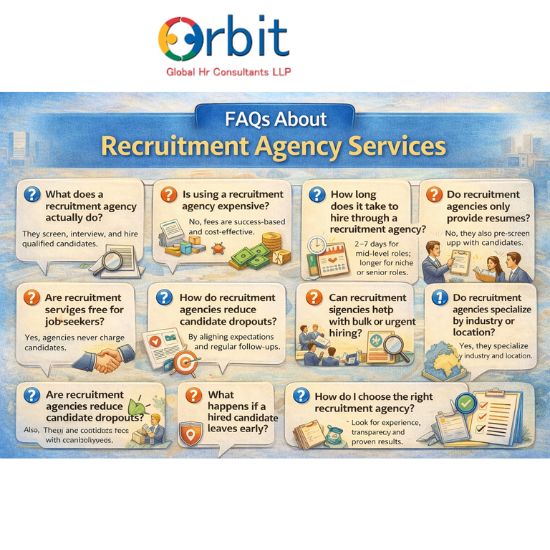


HR & Recruitment Industry Report 2026: Trends, Insights, and Hiring Outlook
Executive Summary
This HR & Recruitment Industry Report 2026 presents a structured analysis of current hiring trends, workforce challenges, and talent acquisition strategies shaping businesses across India, with a strong focus on NCR and industrial regions. The report is based on market observations, recruitment performance data, and real hiring outcomes delivered by professional consultancies such as Orbit Global HR Consultants.
Key findings indicate that companies prioritizing structured recruitment processes, local talent sourcing, and retention-focused hiring are achieving faster hiring cycles and stronger workforce stability.
1. Introduction to the Recruitment Landscape (2026)
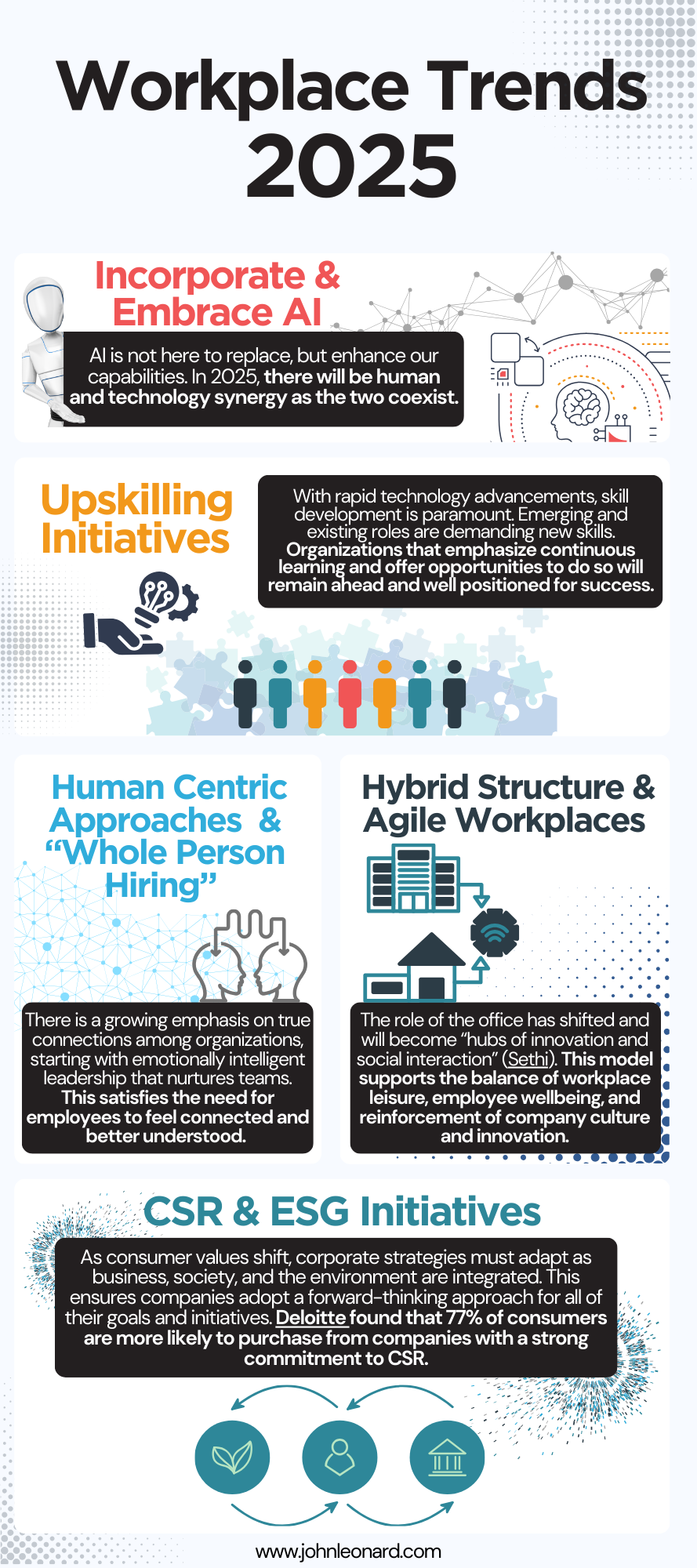
The recruitment industry in 2026 is evolving rapidly due to:
- Skill shortages in core industries
- Rising candidate expectations
- Increased competition for local talent
- Greater emphasis on retention and productivity
Organizations are shifting from reactive hiring to data-driven and partner-led recruitment models.
2. Key Hiring Trends Observed
2.1 Faster Time-to-Hire Is a Priority
- Average hiring timelines reduced by 30–45% when agencies are involved
- Companies demand pre-screened, interview-ready candidates
2.2 Location-Based Hiring Gaining Importance
- NCR, Bawal, Neemrana, Rewari, and Sonipat show strong preference for local talent
- Local sourcing reduces attrition and improves joining ratios
2.3 Quality Over Quantity
- Employers prefer fewer, better-matched profiles
- Resume dumping is being replaced by consultative recruitment
3. Industry-Wise Recruitment Insights
Manufacturing & Industrial Sector
- High demand for technicians, supervisors, quality engineers
- Shift readiness and stability are critical hiring factors
IT & Technology
- Demand for niche skills with flexible hiring models
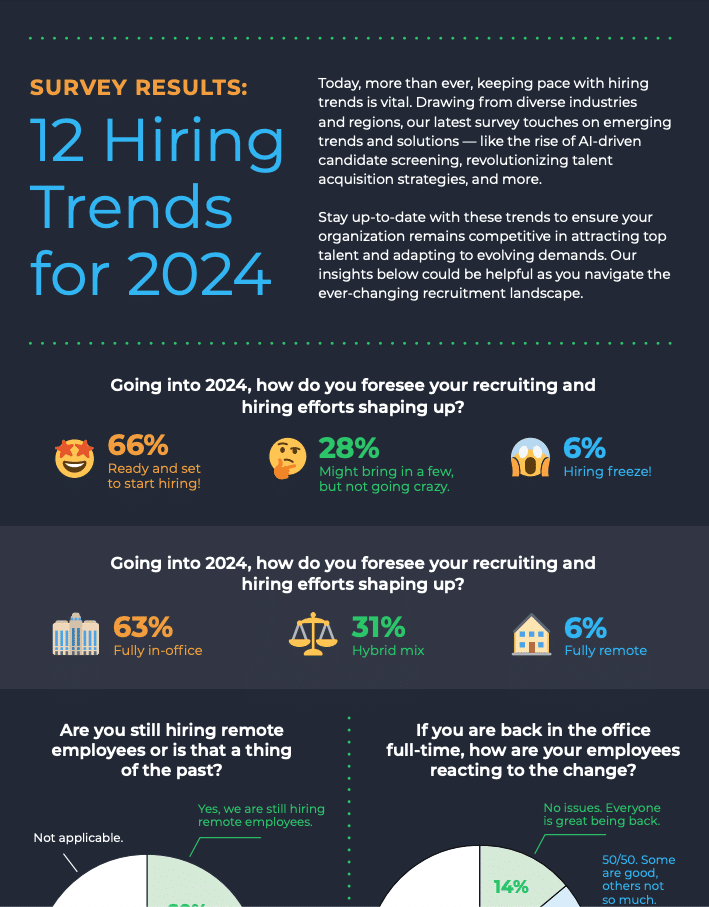
- Remote and hybrid hiring still relevant
Corporate & Professional Services
- Increased focus on soft skills and cultural fit
- Leadership hiring remains confidential and strategic
4. Recruitment Challenges Identified
| Challenge | Impact |
|---|---|
| Candidate dropouts | Project delays |
| Skill mismatch | Productivity loss |
| Unrealistic salary expectations | Offer rejections |
| High attrition | Re-hiring costs |
These challenges highlight the need for expert recruitment intervention rather than internal-only hiring.
5. Solutions Driving Better Hiring Outcomes
Professional recruitment agencies addressed challenges through:
- Expectation alignment at screening stage
- Salary benchmarking using real market data
- Structured interview coordination
- Post-offer and post-joining follow-ups
This approach delivered higher joining ratios (up to 98%) in multiple engagements.
6. Measurable Recruitment Performance Indicators
Observed Metrics (2025–2026)
- ⏱ Time-to-hire: ↓ 45%
- 👥 Joining ratio: ↑ 95–98%
- 🔁 Attrition (first 90 days): ↓ 25–30%
- 📈 Productivity impact: ↑ 10–15%
These metrics demonstrate that process-driven recruitment delivers business value.
7. Role of Recruitment Agencies in 2026
Recruitment agencies are no longer just vendors; they act as:
- Hiring advisors
- Market intelligence partners
- Workforce stability enablers
Organizations partnering with experienced agencies benefit from predictable hiring outcomes and reduced operational risk.
8. Regional Hiring Outlook (NCR & Industrial Belts)
- Gurugram & Noida: Corporate, IT, and services hiring steady
- Faridabad & Ghaziabad: Manufacturing and engineering demand strong
- Bawal, Neemrana, Rewari: High-volume industrial hiring with retention focus
Regional expertise is now a competitive advantage.
9. Strategic Recommendations
Based on findings, companies should:
- Partner with industry-specialized recruitment agencies
- Focus on local talent pools
- Align salary and role expectations early
- Track hiring metrics beyond just closures
- Invest in post-joining engagement
10. Conclusion
The HR & recruitment landscape in 2026 favors organizations that treat hiring as a strategic function, not an administrative task. This report confirms that structured recruitment partnerships, backed by market insights and measurable processes, lead to faster hiring, stronger retention, and sustainable workforce growth.
About This Report
This report is intended for:
- Business owners
- HR leaders
- Operations heads
- Hiring managers
It provides actionable insights to improve recruitment decision-making in a competitive talent market.

Leave A Comment
You must be <a href="https://orbitglobalhr.in/wp-login.php?redirect_to=https%3A%2F%2Forbitglobalhr.in%2F2026%2F01%2F07%2Fhr-recruitment-report-2026-hiring-trends-insights%2F">logged in</a> to post a comment.